Living small doesn’t mean living small on style, comfort, or functionality. Whether you’re downsizing by choice, working with a starter home, or embracing the tiny house movement, maximizing a compact space requires smart design decisions and practical problem-solving. The good news? Tiny house big living is entirely achievable with the right strategies. By focusing on multi-functional layouts, clever storage, and visual tricks, you can transform even the tightest square footage into a home that feels spacious, organized, and genuinely livable. This guide walks you through proven design approaches to make every inch count.
Table of Contents
ToggleKey Takeaways
- Tiny house big living requires multi-functional furniture and built-in cabinetry that maximize every cubic inch without consuming floor space.
- Vertical storage solutions like tall bookcases, floating shelves, and wall-mounted pegboards are essential for reclaiming floor space in compact homes.
- Light colors, natural lighting, and minimal visual barriers create the illusion of spaciousness and make small homes feel more generous and open.
- Ruthless decluttering and zone-based organization systems prevent clutter from suffocating compact spaces and maintain intentional living.
- Open floor plans with minimal hallways, pocket doors, and low-profile dividers enable visual flow while maintaining functional separation between living areas.
- Strategic placement of area rugs, modular furniture systems, and smart home organization habits help transform even the tightest square footage into a genuinely livable home.
Embrace Multi-Functional Furniture and Built-Ins
Multi-functional pieces are the backbone of small-space living. Rather than filling your home with single-purpose items, invest in furniture that works overtime. A storage ottoman doubles as seating and a place to tuck blankets, pillows, or seasonal items. Beds with under-bed drawers eliminate the need for a separate dresser. Wall-mounted drop-leaf tables expand for meals and fold flat when you need floor space.
Built-in cabinetry is another game-changer. Unlike standalone furniture, built-ins are custom-fitted to your walls, maximizing every cubic inch without eating into floor space. Consider installing a bench seat along a window with hinged storage underneath, it becomes both seating and a hidden closet. If you’re handy, you can build simple shelving units with integrated cabinets using 2×10 or 2×12 lumber, pocket holes, and basic power tools.
For renters or those not ready for permanent installations, modular furniture systems let you adapt your layout as needs change. Look for pieces that nest inside one another or stack vertically. The key is asking “what else can this do?” before bringing anything into your home.
Master Vertical Storage to Reclaim Floor Space
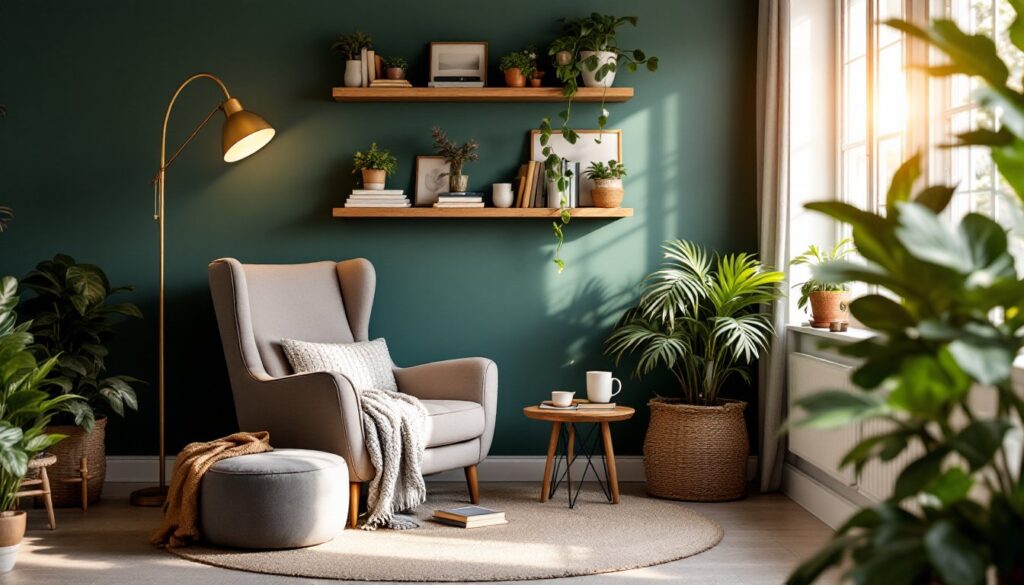
When square footage is scarce, look up. Vertical storage is the secret weapon of small spaces, and it’s often overlooked. Tall, narrow bookcases reach toward the ceiling, storing far more than a squat dresser ever could. Floating shelves don’t require floor anchors and create the illusion of openness while holding everyday items within arm’s reach.
Wall-mounted pegboards work brilliantly in workshops, kitchens, or entryways to organize tools, cooking gear, and accessories without consuming counter or floor space. Hooks and hanging organizers on the back of doors provide prime real estate for coats, bags, belts, and cleaning supplies. Even your walls become storage when you think three-dimensionally.
One critical point: tall storage units need secure anchoring to studs (the vertical 2×4 framing behind drywall) to prevent tipping, especially if you have children or pets. Use a stud finder to locate studs, typically spaced 16 inches apart, and use appropriate wall anchors or screws rated for your wall type and the weight you’re storing.
Wall-Mounted Solutions and Shelving Systems
Wall-mounted shelving systems range from simple brackets supporting a 1×10 or 1×12 board to modular, adjustable systems that adapt as your needs evolve. Modular systems (like rail-based shelving) let you add shelves, hooks, or baskets without drilling new holes. Heavy-duty brackets rated for 50+ pounds per shelf handle books, kitchen gear, and décor confidently.
Cable shelving is another option, a minimalist design where shelves hang from thin steel cables anchored to the ceiling. They feel less bulky than traditional shelves and work well in modern tiny homes. Installation requires finding ceiling joists (the horizontal framing above), but the visual lightness is worth the effort.
When planning wall-mounted storage, think about access and visual weight. Keep frequently used items at eye level and in easy reach. Heavy items belong lower: lightweight decorative pieces can occupy upper shelves. A cluttered wall feels cramped: leave breathing room and group similar items to maintain visual order.
Use Light and Color to Create the Illusion of Space
Light is the most powerful tool in a small-space designer’s kit. Bright, natural light makes rooms feel larger and more open. Maximize windows by avoiding heavy curtains, use lightweight, sheer fabrics or roller shades that pull up completely. If privacy is a concern, frosted or semi-sheer options let light through while blocking views.
Artificial lighting matters just as much. Task lighting (desk lamps, under-cabinet kitchen lights) keeps spaces from feeling dim and cramped. Recessed ceiling lights distribute light evenly. Avoid heavy pendant lights or large chandeliers: they visually weigh down small rooms. Instead, use linear LED strips above cabinets or inside shelving to create ambient glow.
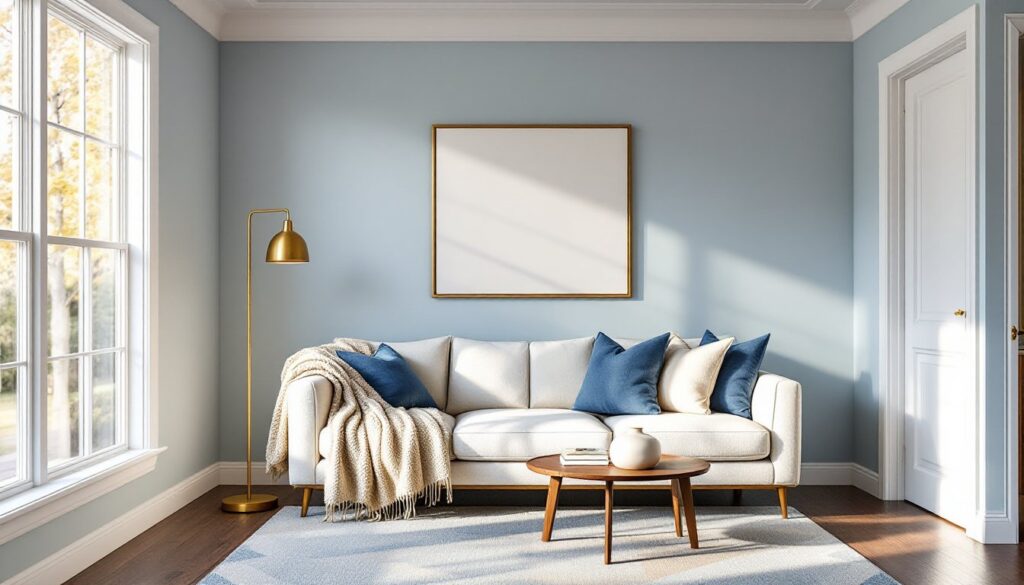
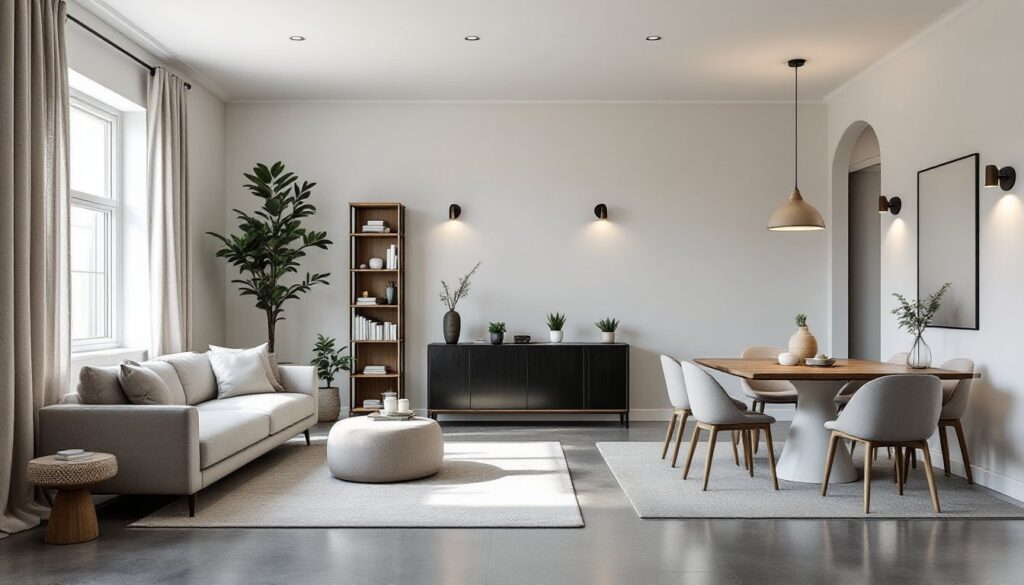
Color choices dramatically affect perceived space. Light, neutral walls (soft whites, pale grays, warm beiges) reflect light and feel expansive. Dark accent walls can work, but use them sparingly, a single accent wall in a bedroom feels cozy rather than closed-in. Pale ceilings make rooms feel taller: dark ceilings press down. The principle is simple: light surfaces expand: dark ones contract.
Layering light-colored textures, white subway tile, pale wood flooring, cream upholstery, adds depth without introducing color clutter. When you do use color, stick to a cohesive palette. Three colors maximum across walls, trim, and major furniture keeps visual noise down and makes the space feel intentional and larger than it is.
Design Open Floor Plans and Remove Visual Barriers
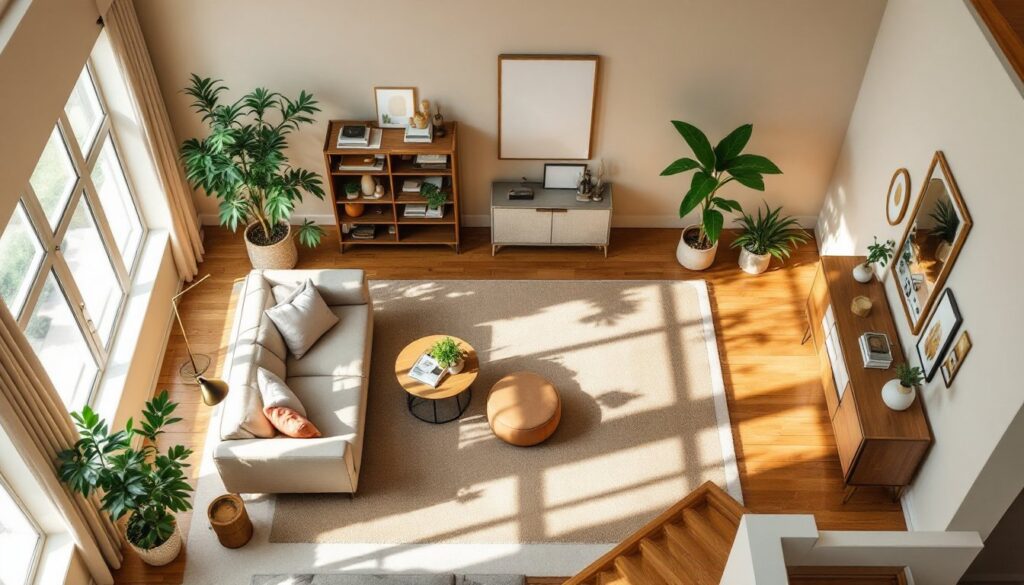
An open floor plan doesn’t just maximize usable space, it makes small homes feel more generous. If removing load-bearing walls is an option, consult a structural engineer: this work requires permits and often a licensed contractor. But you can achieve openness without demolition.
Remove unnecessary doors and doorways where possible. A bedroom or office separated from the main living area by a full door creates a visual divide. Consider removing the door entirely or replacing it with a pocket door that slides into the wall, it takes up zero swing space. Doorways without doors let light and sightlines flow throughout the home.
Low-profile dividers, like bookshelves that don’t touch the ceiling or room dividers with negative space, suggest separation without blocking views or light. This is especially useful if you need to carve out a home office or sleeping area within an open concept. A tall bookcase, curtain rod with fabric panels, or even strategic furniture placement can define zones while maintaining openness.
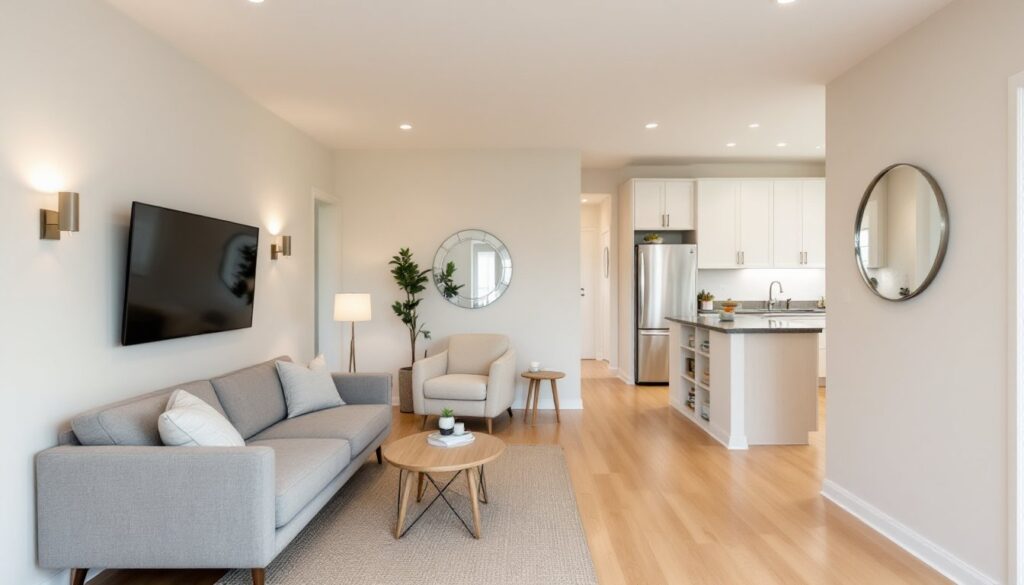
Keep hallways minimal. Wasted circulation space shrinks usable square footage. Rethink layouts to minimize hallway length, routing traffic through main living areas instead. Islands, bars, or console tables can create subtle boundaries between cooking and living zones without rigid walls. The goal is visual clarity and flow, your eye should travel unobstructed from entry to the far wall.
Invest in Smart Home Organization and Decluttering
No design trick works if clutter suffocates the space. Small homes demand ruthless, honest editing. Every object should earn its place by being functional, beautiful, or both. If something is broken, unused, or makes you feel guilty, it takes up valuable real estate, mentally and physically.
Carry out a zone-based organization system: kitchen gadgets stay in the kitchen, office supplies in one drawer or shelf, hobby materials in one basket. Matching storage containers (clear ones for visibility, labeled for clarity) make items easy to find and contain visual chaos. Open shelving and clear containers let you see what you have, reducing duplicate purchases and wasted money.
Recent studies on small-space living show that people living in compact homes benefit from seasonal decluttering, swapping out off-season items to storage containers in a climate-controlled closet or loft. This keeps daily living areas uncluttered while preserving items you genuinely use.
Building organizational habits prevents backsliding. The “one in, one out” rule keeps accumulation in check. A donation box or bag in a closet makes it easy to quickly offload items when they no longer fit your life. Digital organization (photos, documents, files) counts too, clutter isn’t only physical.
Look to IKEA Hackers’ tiny house solutions for affordable, customizable storage ideas. Modular, stackable systems let you build exactly what you need without overspending. The Kitchn for kitchen-specific organization strategies that squeeze every bit of function from cramped kitchens. For design inspiration grounded in livability, browse tiny home news and keep current with what’s working in real small homes.
You might also explore how big rugs for living rooms define space psychologically, an area rug anchors a sitting zone and makes a small living area feel intentional and cozy.
Conclusion
Tiny house big living is a mindset as much as a design strategy. Smart furniture choices, vertical thinking, light color palettes, open layouts, and disciplined organization transform confined spaces into homes where you genuinely want to spend time. The projects and decisions outlined here, building shelving, selecting multi-functional pieces, or decluttering ruthlessly, are within reach for most homeowners and DIY enthusiasts. Start with one or two changes, observe how they shift your space, and layer in more as you refine what works for your home. Small spaces reward intentional living, and that’s a benefit money can’t buy.