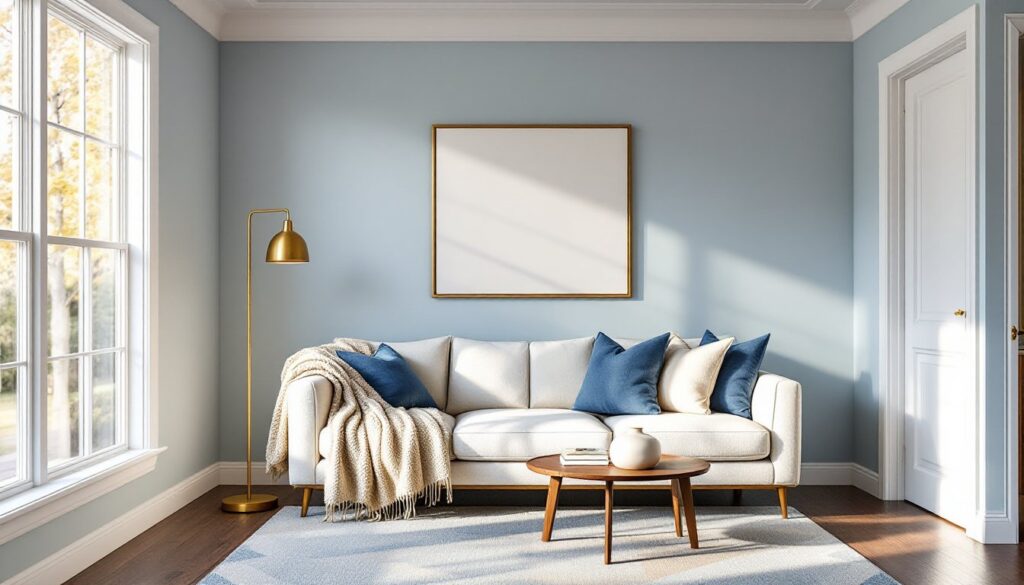
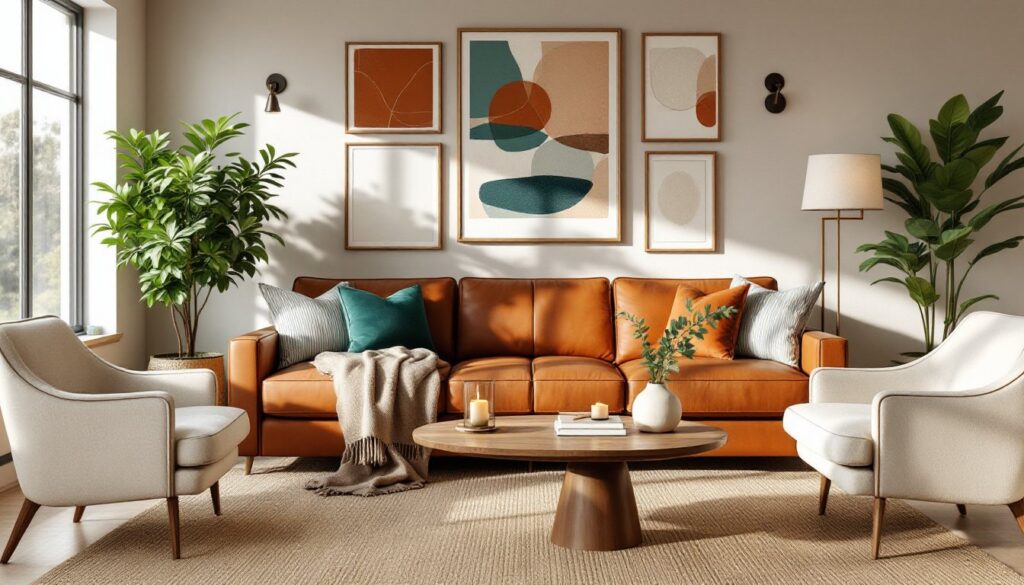
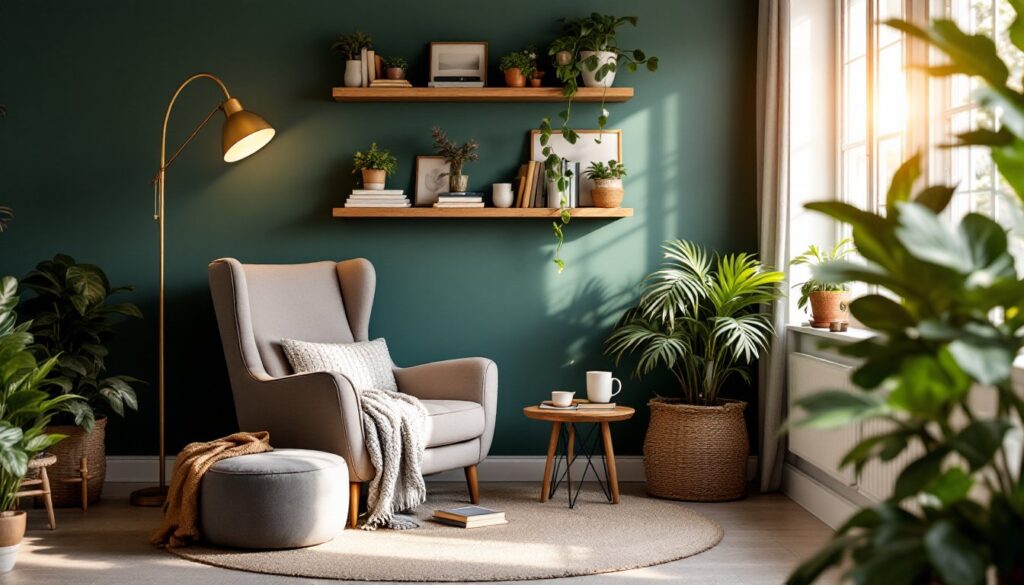
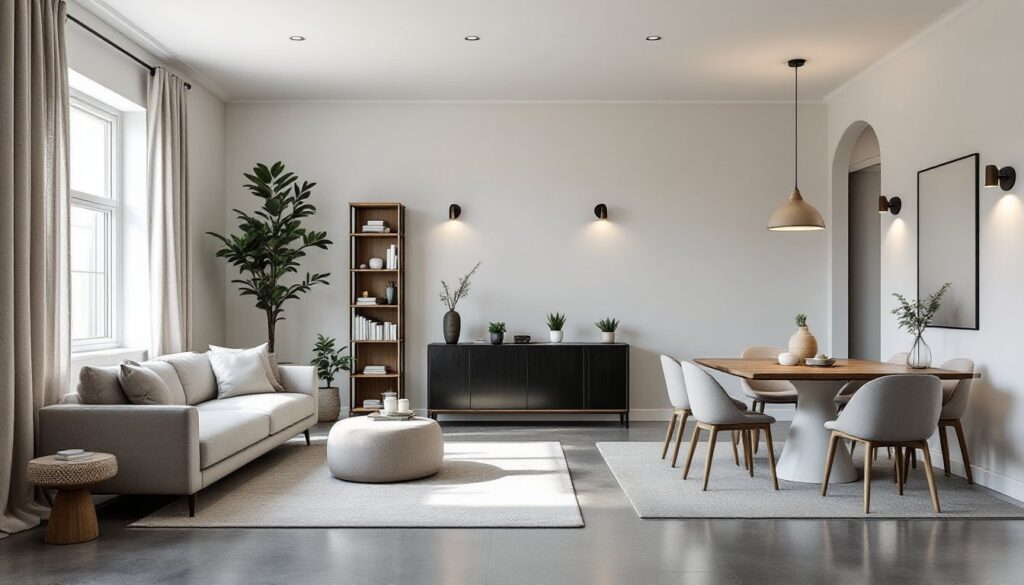
An awkward living room layout can make even a beautiful space feel uncomfortable and disconnected. Maybe your room is long and narrow. Perhaps the TV sits at an odd angle, windows break up wall space, or furniture just refuses to work together without blocking traffic. The good news? You don’t need to tear down walls or buy all new furniture to transform the vibe. With strategic planning and intentional arrangement, you can turn that frustrating layout into a functional, inviting room where people actually want to hang out. This guide walks you through seven concrete solutions to fix your living room layout, whether your challenge is traffic flow, conversation zones, or making awkward proportions work.
Table of Contents
ToggleKey Takeaways
- Identify specific layout challenges like narrow proportions, traffic flow issues, or misaligned focal points before rearranging furniture to address the root problem directly.
- Maintain at least 30 inches of walking space along main traffic pathways and use area rugs to visually separate seating zones from walkways, preventing awkward room navigation.
- Arrange seating in intimate conversational groupings roughly 8–10 feet apart—avoid pushing all furniture against walls, which creates a disconnected ‘bowling alley’ effect.
- Layer your lighting with overhead, task, and accent lights to define functional zones and anchor seating areas without needing walls or major renovations.
- Add vertical elements like tall bookcases, potted plants, floating shelves, or gallery walls to balance proportions and prevent awkward living room layouts from feeling sprawling or cramped.
Identify Your Layout Challenge
Before you start moving furniture, figure out exactly what’s wrong. Common issues include narrow rooms that feel cramped, living and dining areas crammed together without clear separation, asymmetrical windows or doors that eat up wall space, or a focal point (TV, fireplace) that doesn’t align with natural sight lines.
Measure your room and sketch it out, even a rough drawing on graph paper helps. Jot down the locations of doors, windows, outlets, and any fixed elements like fireplaces or built-ins. Note ceiling height, beam placement, and traffic patterns. Does the main entrance funnel people across the seating area? Does the natural light come from one side, creating dark corners? Identify which issues matter most to your household. A media-focused family needs a different solution than one prioritizing conversation and board games.
Once you’ve pinpointed the problem, you can address it directly instead of rearranging furniture blindly.
Prioritize Traffic Flow and Movement
Traffic flow is the skeleton of any layout. If people constantly shuffle sideways past the sofa to reach the kitchen, or trip over a coffee table as a shortcut, your room doesn’t work. Start by identifying the natural pathways: entry door to other rooms, entry to kitchen, entry to hallways. These are your traffic highways, and furniture shouldn’t block them.
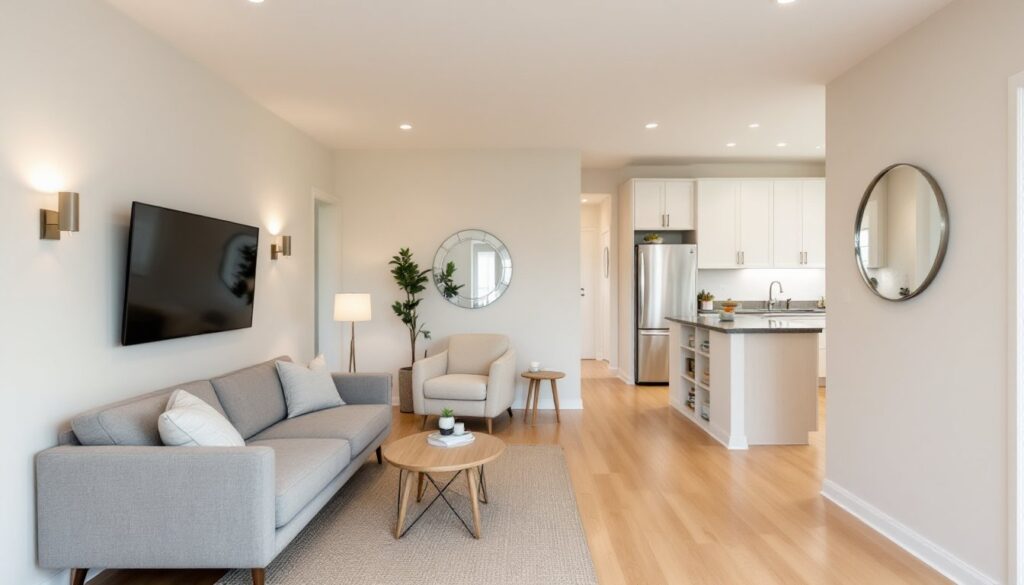
Leave at least 30 inches of walking space along main routes. Angle furniture to guide movement rather than impede it. Instead of floating a sofa in the center of a narrow room (which splits flow), push it toward one wall and angle the seating to face inward. This opens the path while maintaining conversation zones.
Consider using area rugs to anchor seating clusters and visually separate them from walkways. A rug under the sofa and chairs signals “sitting zone,” while leaving bare floor around the perimeter keeps pathways clear. If your layout is genuinely tight, sectional sofas for small living rooms offer efficient seating without sprawling footprints. Slim side tables and round coffee tables occupy less floor space than chunky rectangular ones. The goal? People move through your room fluidly, not like they’re navigating an obstacle course.
Arrange Furniture for Conversation and Connection
Once traffic flows, shape your seating to encourage conversation. The best layouts create natural gathering spots, not rows of chairs facing a single focal point.
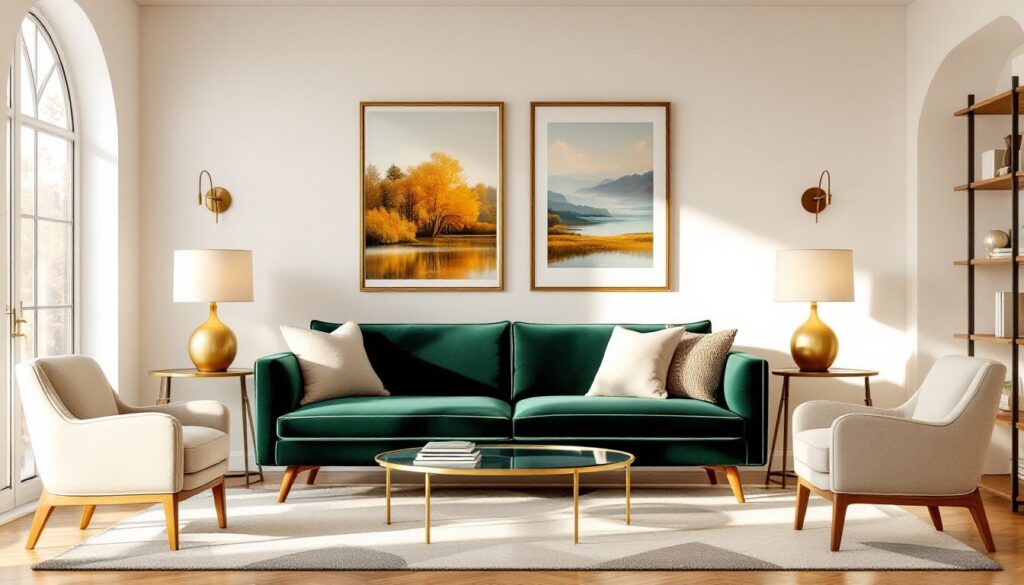
For a traditional setup, angle seating so sightlines converge. A sofa facing an armchair at a slight angle, with a small table between, fosters face-to-face chat. Add an ottoman perpendicular to the sofa for versatility, extra seating, footrest, or a casual perch. Avoid pushing all furniture against walls: this creates a “bowling alley” effect where everyone’s spread too far to converse comfortably.
In awkwardly proportioned rooms, living rooms with sectional sofas work because they define a specific seating zone and adapt to unusual corners. An L-shaped or U-shaped arrangement maximizes occupancy while keeping everyone within conversational distance.
Keep conversation groupings intimate, roughly 8 to 10 feet between pieces. Beyond that, people have to shout. Island-style layouts (a seating cluster in the room center) work well in larger spaces: floating arrangements create coziness in smaller ones. If your room must pull double duty, living and dining, use a partial divider, furniture angle, or a different rug to signal the shift without a hard barrier.
Use Lighting to Define Functional Zones
Lighting is one of the most overlooked layout tools. It does far more than brighten a room, it shapes how people perceive space and use it.
Start with layered lighting: overhead for general brightness, task lights for reading or work, and accent lights for ambiance. In an awkward layout, this three-tiered approach lets you define zones without walls.
Anchor Zones With Strategic Lighting
A floor lamp placed beside a reading chair signals “this corner is a retreat.” Pendant lights hung over a side table create a second gathering point away from the main seating. String lights or wall sconces carve out a cozy nook in an otherwise sprawling room.
Use warm bulbs (2700K color temperature) in seating areas, they make spaces feel inviting. Brighter, neutral-white light (4000K) works better for work-from-home corners or dining zones if your room doubles up. Dimmers are essential: they let you adjust mood and energy without rewiring.
If your room suffers from harsh sunlight creating glare or uneven brightness, colors for living rooms paired with thoughtful lighting become critical. Light colors reflect light and open tight spaces: darker tones absorb it and create intimacy. Combine warm overhead lighting with table lamps in conversation zones, and watch your layout feel instantly more polished and purposeful.
Add Vertical Elements for Balance
Many awkward layouts suffer from proportion problems: a low ceiling in a wide room, a tall room with puny furniture, or walls that feel bare and expansive. Vertical elements, shelving, artwork, tall plants, bookcases, anchor the space and draw the eye upward or inward.
Tall bookcases or entertainment units frame a focal wall, which helps organize a room that otherwise sprawls. Floating shelves above a console table add dimension without bulk. A gallery wall (mix of framed art and mirrors) breaks up blank wall space and costs far less than replacing furniture.
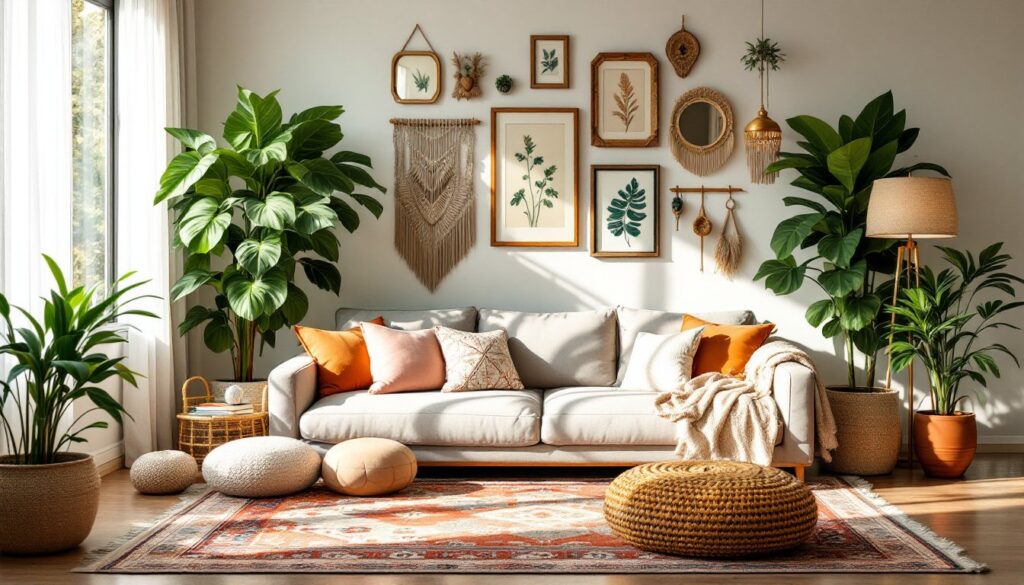
Potted plants, especially tall varieties like fiddle leaf figs or Dracaena, create natural room dividers and soften hard architectural lines. A decorative screen or tall floor lamp can gently define zones without blocking sight lines.
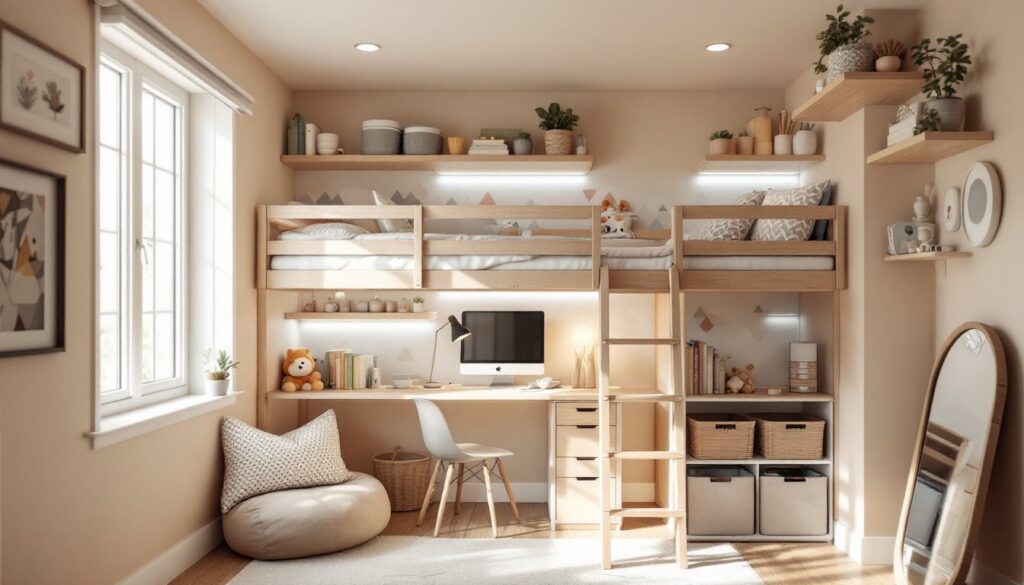
For small rooms, vertical storage and display pull the eye upward, making the space feel taller and less cramped. In large rooms, strategic vertical elements prevent that empty, warehouse feel. According to design experts at Dwell, balancing horizontal and vertical elements creates visual rhythm. Room arrangement strategies from HGTV consistently highlight how layering heights, combining low seating with tall accessories, makes even difficult floor plans feel intentional and complete.
Conclusion
Fixing an awkward living room layout doesn’t require a permit, a contractor, or a furniture shopping spree. It demands honest assessment, intentional arrangement, and layered solutions. Prioritize traffic flow, shape seating for connection, use lighting strategically, and add vertical balance. Start with one or two changes, move the sofa, add a floor lamp, hang a mirror, and observe how the room shifts. Small adjustments often trigger insights about what else needs tweaking. Trust your instincts, measure twice, and remember: the best layout is the one your household actually enjoys living in.