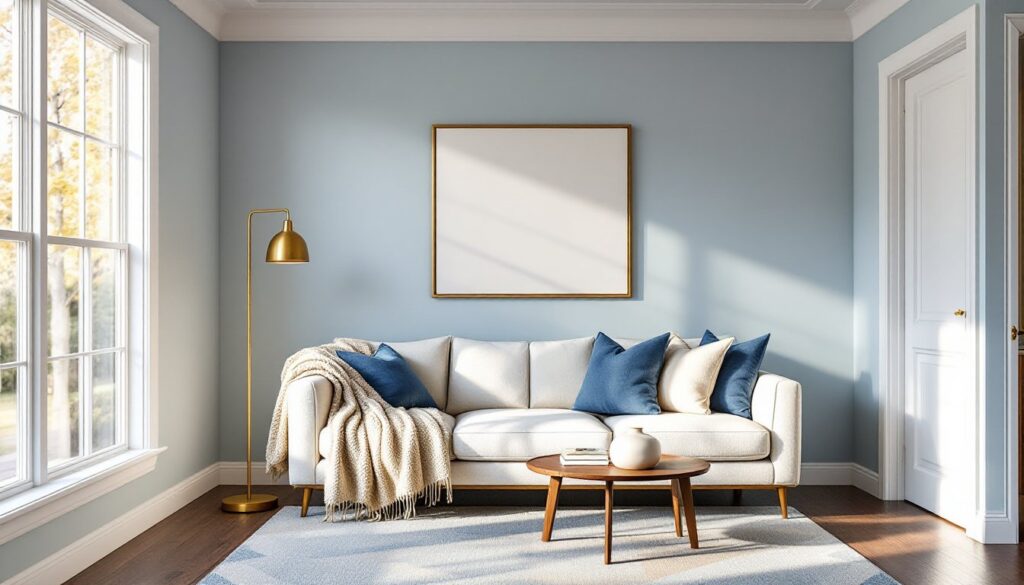
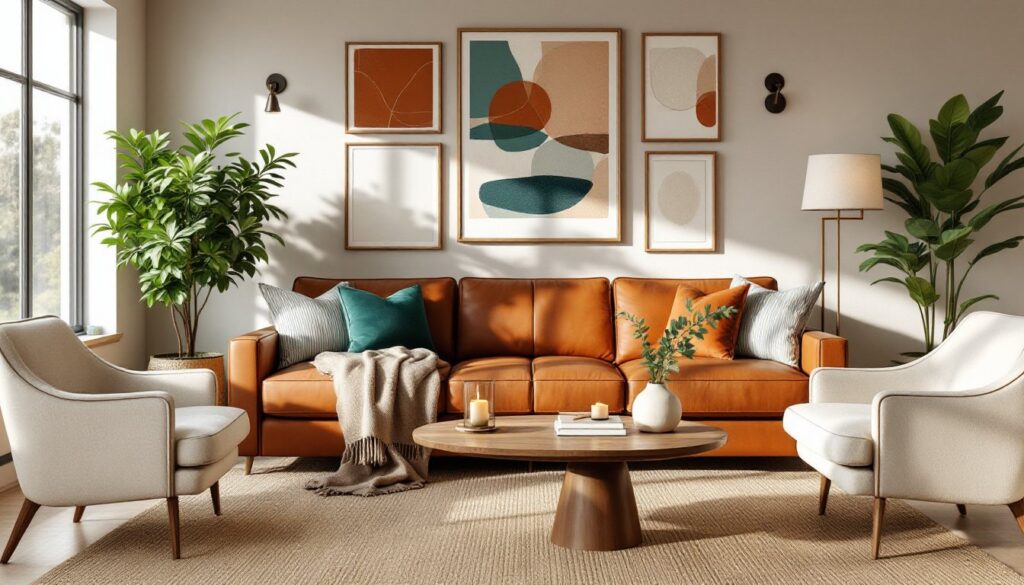
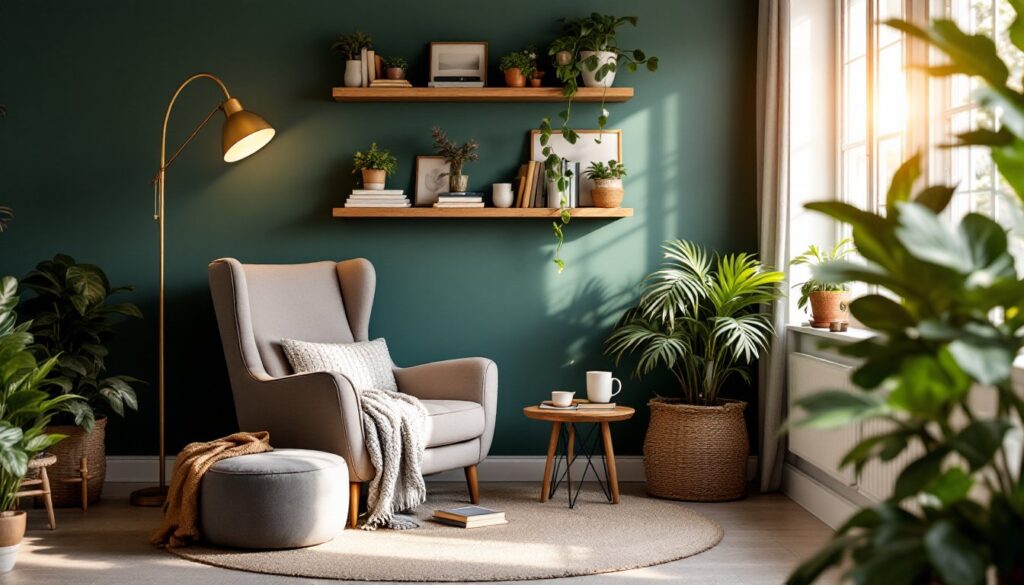
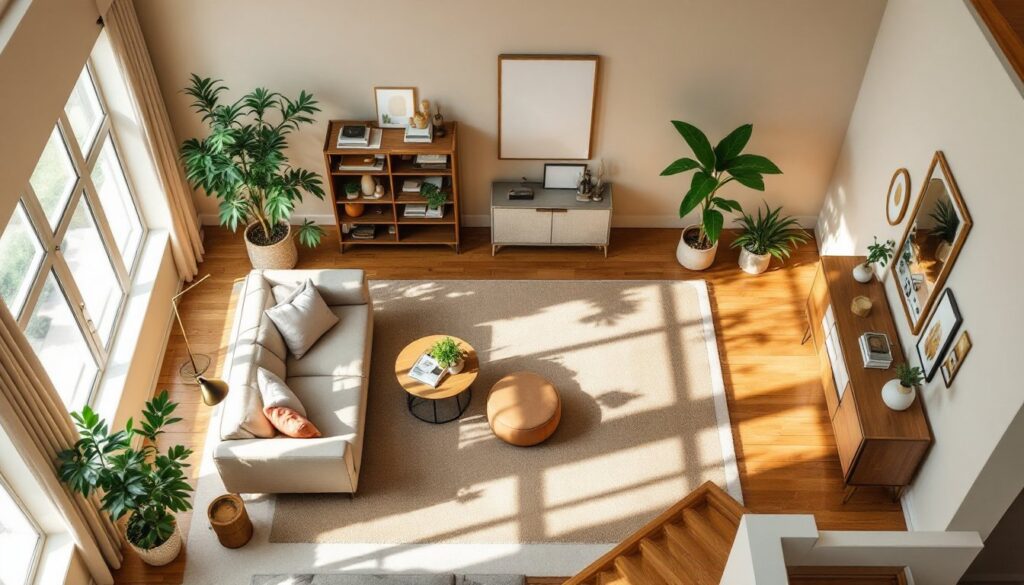
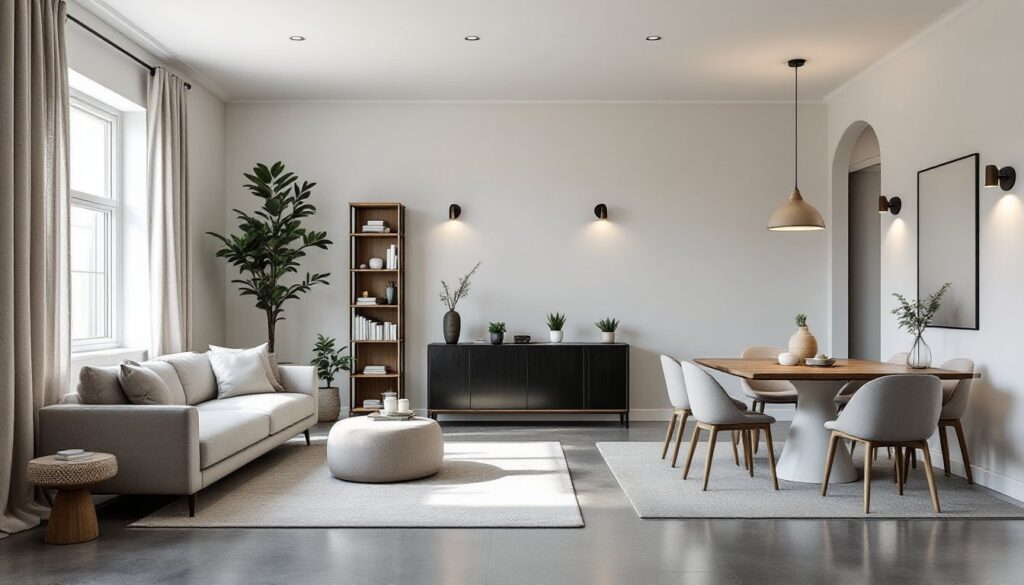
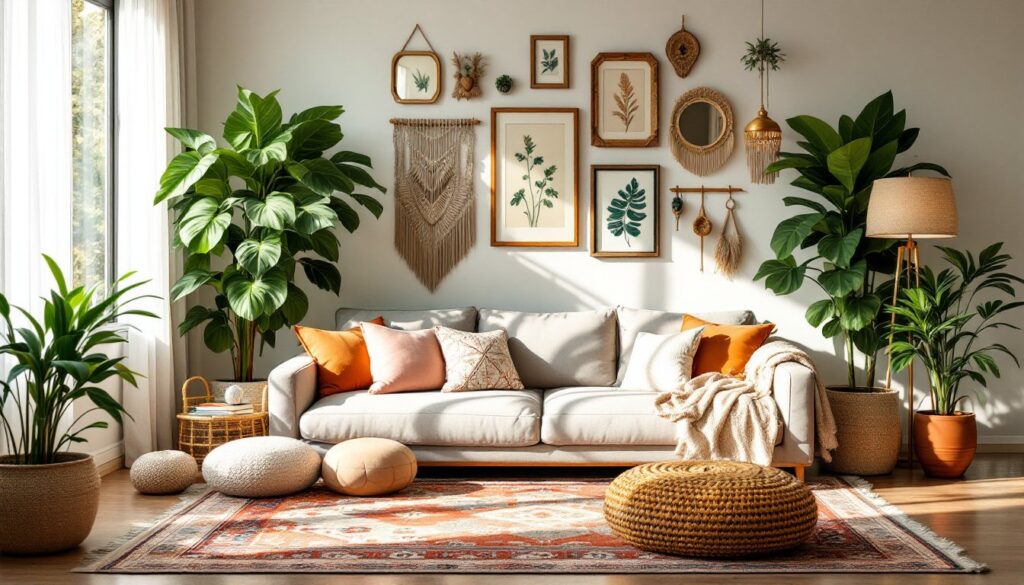
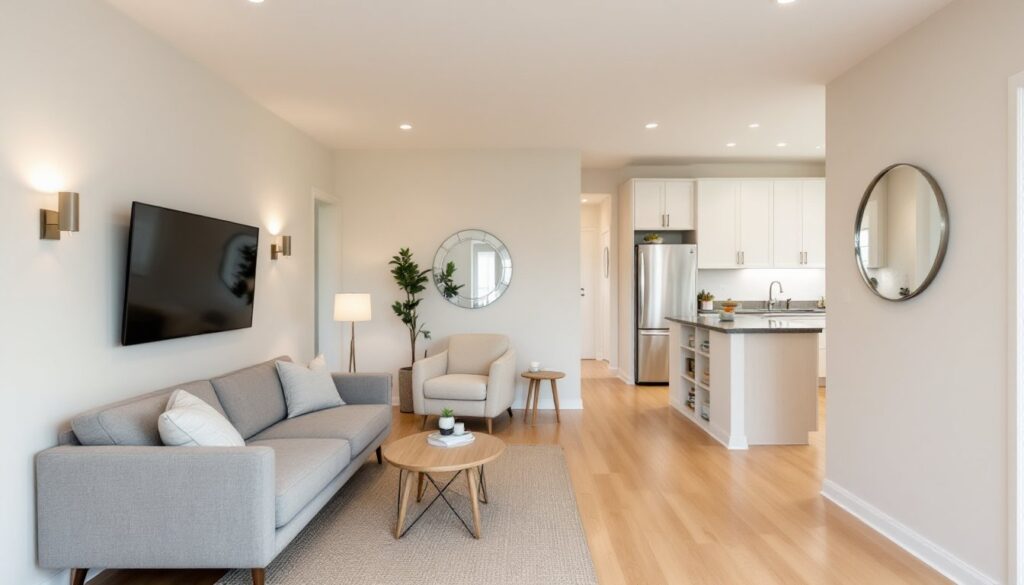
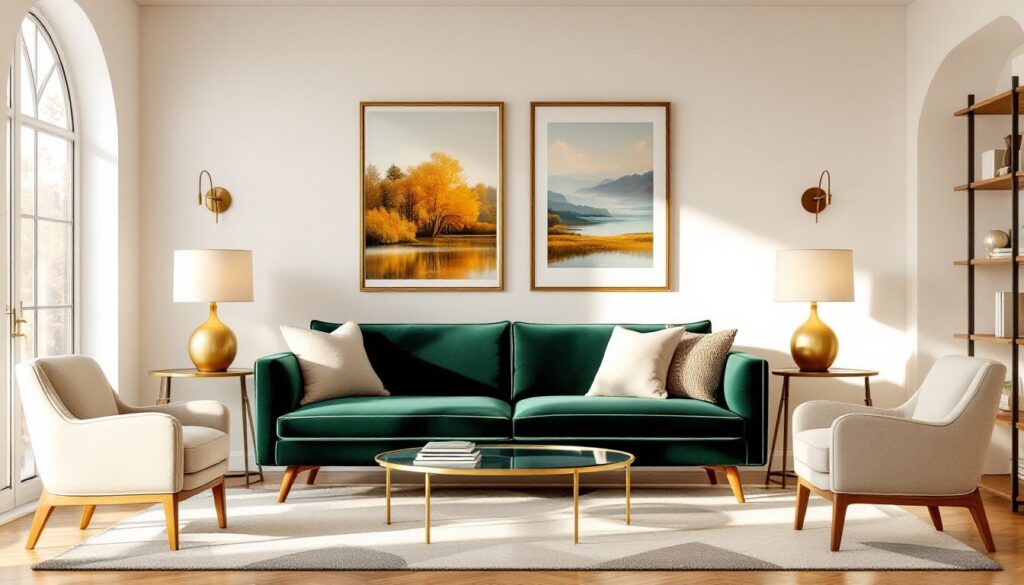
A small living room doesn’t have to feel cramped or cluttered. The right layout strategy transforms tight quarters into a functional, inviting space that works harder for you. Whether you’re furnishing a studio apartment, a cozy cottage, or reclaiming a room that feels undersized, small living room layout designs are less about magic and more about smart planning. This guide walks you through practical strategies to arrange furniture, use visual tricks, and organize storage, all without tearing down walls or very costly.
Table of Contents
ToggleKey Takeaways
- Measure your room and furniture first, then note permanent features like windows and doors to create a smart small living room layout design that maximizes functionality.
- Float key furniture 12–18 inches from walls to create visual flow and make your space feel intentional rather than cramped.
- Invest in multi-functional pieces like ottomans with storage, sectional sofas, and nesting tables that work harder and serve dual purposes in compact living rooms.
- Use light colors, layered lighting, and a strategically placed mirror opposite windows to bounce light and create the illusion of more depth and space.
- Embrace vertical storage with tall narrow bookcases and wall-mounted shelving to maximize space without consuming valuable floor area.
- Maintain restraint by applying a one-in, one-out rule to prevent clutter and ensure every piece in your small living room earns its place through utility or beauty.
Understand Your Space Before You Design
Before moving a single piece of furniture, measure your living room carefully. Write down the dimensions, length, width, and ceiling height, and note the locations of windows, doors, electrical outlets, and radiators or HVAC vents. These fixed elements aren’t suggestions: they’re constraints that shape every other decision.
Sketch your room to scale on graph paper or use a free floor-planning app. Mark permanent features and identify the room’s natural focal point. Is it a fireplace, a wall-mounted TV, or a window with a view? This anchor becomes your starting point for furniture placement.
Measure your furniture too, not just the height and width, but the depth. A sofa that sticks into the middle of the room eats up traffic flow and feels oppressive in a small space. Account for walking lanes that lead to exits, hallways, and functional zones. A good rule of thumb: leave at least 2–3 feet of open floor space along major pathways. This visual breathing room makes the room feel larger than it actually is, even if the square footage hasn’t changed.
Furniture Arrangement Strategies for Compact Rooms
Floating Furniture for Visual Flow
Instead of pushing every piece against the walls, try floating key furniture, especially seating. A sofa pulled 12–18 inches from the wall creates a defined living zone and makes the room feel intentional, not cramped. This trick works because it breaks up the visual monotony of wall-to-wall placement and lets light travel around the furniture rather than stopping dead at the perimeter.
Use a low-profile console table, bookshelf, or media console as an anchor behind floating seating. This creates a natural boundary without blocking sightlines. The key is keeping sight lines open: avoid tall bookcases in the middle of the room unless they’re very narrow.
Multi-Functional Pieces That Work Harder
In a small room, furniture must earn its place. Invest in Living Room Furniture Sets: that combine storage and seating, such as ottomans with hidden storage, side tables that double as small desks, or nesting tables that tuck away when not in use.
Choose a Sectional Sofas for Small over a traditional sofa-and-loveseat combo. A compact sectional fills a corner efficiently and provides more seating per square foot. Look for modular options, you can rearrange pieces later if your life changes.
Avoid accent pieces that serve only decoration. If you bring in a chair, it should also be a second guest seat. If you add a side table, it should hold a lamp, a drink, and a remote, not just sit there looking pretty. This mentality keeps your small room functional without sacrificing style.
Use Color, Light, and Mirrors to Expand Your Room
Color psychology is your secret weapon. Light, neutral walls, soft whites, warm grays, pale beiges, reflect light and create an airy backdrop. If you crave color, use it sparingly on an accent wall or in furnishings that you can swap out later if tastes change. Dark walls in a small room absorb light and make the space feel heavier: save those for larger rooms.
Lighting layers matter more in tight quarters. Avoid relying on a single overhead fixture, which creates harsh shadows and uneven brightness. Instead, combine overhead ambient light with task lighting (table lamps, reading lights) and accent lighting (LED strips behind shelving, wall sconces). This variety makes the room feel larger and more sophisticated.
Mirrors are the working homeowner’s best friend. A large mirror opposite a window bounces natural light across the room and creates the illusion of depth. Living Rooms with Area articles often recommend placing a mirror strategically to amplify light without overwhelming the space. Avoid mirroring entire walls, that can feel disorienting. Instead, position one statement mirror or a cluster of smaller ones above a console table or side wall.
Smart Storage Solutions to Reduce Clutter
Clutter is the enemy of small rooms. Storage must be built into your layout, not hidden away in a separate closet you forget about. Vertical storage is non-negotiable: tall, narrow bookcases maximize wall space without eating floor area. Wall-mounted shelving (properly anchored to studs, no guessing with drywall anchors alone) provides storage that doesn’t consume square footage.
Choose Living Rooms with Sectional that include under-seat storage compartments. Credenzas, sideboards, or media consoles with closed cabinets hide remotes, magazines, throw blankets, and seasonal decor. The rule: if it’s visible, it should be attractive or functional. Otherwise, store it behind a closed door or solid-sided furniture.
Use Rooms To Go Chairs with built-in storage, ottoman-style seats with hinged tops work beautifully. Baskets under side tables or console tables corral items out of sight without breaking the sightline. Keep frequently used items within arm’s reach: seasonal decorations and guest-room linens belong in closets or storage rooms, not your living space.
Establish a one-in, one-out rule: when you bring home a new throw pillow, donate an old one. This discipline prevents small rooms from becoming storage units with a sofa. Designers at sources like Apartment Therapy consistently emphasize that restraint and intentionality, not volume, define successful small-space living.
Conclusion
A well-designed small living room isn’t a compromise, it’s a statement of intention. By understanding your space, choosing multi-functional furniture, and using light and mirrors strategically, you create a room that feels larger and works better. Start with one change, rearrange your sofa, add a large mirror, or swap in higher storage, and build from there. Small rooms reward thoughtful planning, and the payoff is a space you genuinely enjoy spending time in.